|
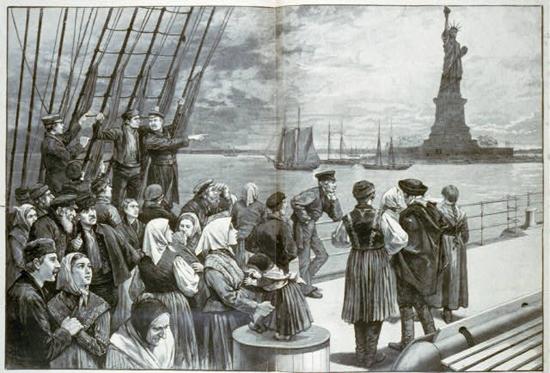
For centuries the American Dream has been
sold to those abroad. The promise of prosperity beckons the poor and underprivileged inhabitants in foreign countries to leave
their old lives and come to America
the land of Milk and Honey.
Unfortunately for many this promise of
prosperity, turned into a situation that was often times worse than the life they left behind in the old country.
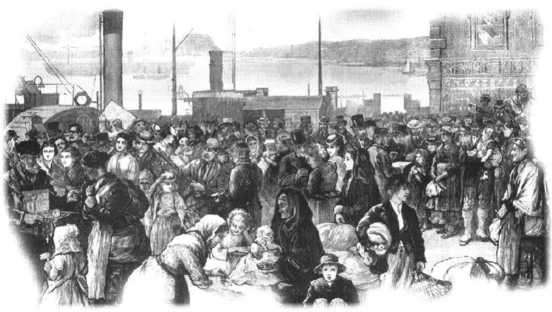
By the mid-1700’s Americas
major cities were flooded with poor and destitute families that had migrated to America
in search of happiness and wealth, only to find poverty and strife. Death and disease was common amongst immigrants in that
day and time.
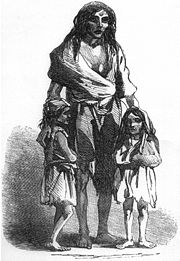
Poverty and famine of this
magnitude resulted in an excessive amount of orphans. In most towns and cities there were orphanages that were managed by
the local church. Even communities that had populations as small as 1,000 even found in necessary to open orphanages.
With most families struggling
to get by, there were not many families equipped to take orphans in. Adoptions were a very rare occurrence. To see children
wandering in the streets was a common sight. In fact the actual philosophy of the orphanages at that time was not finding
the children homes, but keeping them separate from the rest of society.
The children in these orphanages were forced to
live in atrocious conditions due to scarce funding and no operational regulations and guidelines for their health and safety.
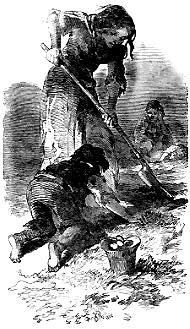
An apprenticeship program
was started to aid the children in preparing to enter society. This program could be considered the forerunner for what we
know as the Foster child program of today.
Boys as young as 10 years
old were paired with butchers, blacksmiths, and various other shopkeepers and taught a trade. In return the boys would receive
food and shelter, and the shopkeeper got a laborer at a fraction of the cost.
The intention was for the boy to learn the
trade and use that knowledge to later open a business of his own. It was later discovered that the children were received
little actual guidance and were not properly supervised after work hours.
The Concerns about juvenile delinquency rose greatly as
multitudes of homeless children roamed the streets in most major cities.
Teenagers and children stealing food and clothes was commonplace.
Night watchmen had extreme difficulties trying to keep the delinquents from committing acts of mischief.
While these groups were a grave nuisance, they were not
looked upon as violent organizations at the time.
Crime rates soared and the apprenticeship
program was suspended by 1790.
The overwhelming burden of heavy taxation was accompanied
by the rise of organized robber and smuggling gangs in every major city on the coast. These adult gangs were infamous for
committing vicious acts of robbery and violence.
A noteworthy gang of that day is the Doane Gang, who existed
for nearly a decade until they were captured and executed.
It was in the year 1791 that the city of Philadelphia
declared that gangs were indeed a serious problem and something had to be done to intervene.
Their target: Disruptive youths engaging in criminal activity. due to the abundance of slave labor.
Go Back To Time Line
|
